

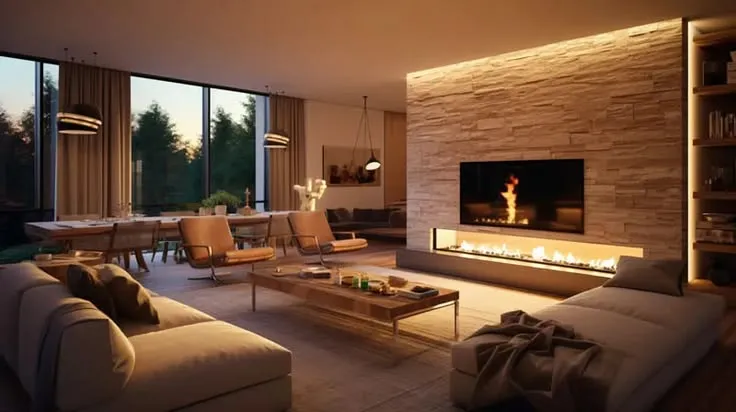
Lighting can be a strong architectural element when used as part of a design for fireplace walls. Backlighting can add depth to stone, decorative panels and translucent surfaces and help to create a soft glow over the fireplace area. The lighting system should evenly light the area without having to rely on bright spots or hardware that is visible. Carefully selecting the LED sheet, the panel, the power configuration and the installation process would help achieve a cleaner result, which would seamlessly blend into the interior space.
Start With the Wall Design
When choosing the lighting, think about the entire wall of the fireplace. Consider the surface material, installation depth, panel size and where the light should be visible.
A LED sheet for fireplace wall applications can provide broad illumination across large surfaces. Unlike a small concentrated light source, a sheet can distribute light over a wider area, which can help reduce noticeable variations behind suitable translucent materials.
The object being illuminated is also important. Different stone, glass, acrylic and decorative surfaces can reflect and transmit light in various ways. It’s a good idea to try the chosen surface with the lighting that you will be using before you decide to go through with the whole installation process.
Focus on Even Illumination
Light distribution is a key aspect of a seamless look. In certain areas, if the lighting is focused, bright spots (in addition to an even shine) can be visible on the wall.
When a more robust amount of structured lighting is necessary behind a decorative surface, an LED panel for fireplace wall installations can be considered. The panel should be chosen based on the size of the wall and the amount of light needed.
The distance from the light source to the surface may also play a role in the result. If the cavity is very shallow, a suitable sheet or panel that is designed for close installation may achieve better results than a traditional lighting arrangement.
Match the Lighting to Materials
The amount of light that can be seen is dependent on the surface that is in front of the lighting. Translucent stone can show natural patterns; frosted materials can diffract the light more evenly.
When buying stone fireplace surrounds, consider thickness, color, transparency and any natural variations. It is particularly important to have uniform light behind some areas may let more light through than others.
The color temperature should also complement the material. A warm white light can give a more mellow feel around a fireplace, while neutral white can offer a cleaner contemporary look. The final decision should be based on the finishes and desired mood in the room.
Plan Around Heat
When planning a fireplace wall, keep in mind that heat from a fireplace can impact nearby materials and electrical components. The location of the installation should not exceed the operating conditions of the LED lighting product.
The lighting system shall not be installed in a high-temperature area unless it is specifically rated for use in a high-temperature area. Finalizing the lighting cavity should be done after evaluating the fireplace structure, insulation, ventilation and adjacent building elements.
Power supplies and drivers should be placed out of the way of excessive heat and easily accessible for future inspection. They should be checked separately to the LED lighting operating requirements.
Consider Power Requirements
Decorations and large illuminated walls can take up more electric capacity than is necessary for a small illuminated wall. Determine total power demand for selected lighting product and area to be illuminated.
Power supply has to be compatible with the required voltage, as well as sufficient power for the entire system. If two or more sections are used, as is possible in a large installation, wiring and power distribution must be planned prior to closing the wall.
Cable routes should also be organized. When there are several lighting zones within the fireplace wall, it can be easier to perform future maintenance.
Plan the Installation Depth
Available depth can have a major effect on the lighting design. When choosing the light system, take the space behind the visible surface into account.
There should be sufficient space for installation of the LED sheet or panel, wiring, mounting accessories, and necessary ventilation. If it is a shallow cavity, the light is not distributed uniformly over the surface.
If you’re ordering a custom fireplace wall, consult the wall fabricator or installer regarding the light’s dimensions. This can assist in making sure that openings, panels, supports, and electrical connections are aligned properly.
Use Controls When Helpful
It’s not always necessary to light the fireplaces at their maximum. Dimming can help to match lighting to various activities and time of day.
A dimmer setting could work great when relaxing in the evening, whereas brighter lighting could enhance the wall during the day or when there are people around. Independently controlled lighting can offer more flexibility if the project features several lighting areas.
The selection of the control method must be done in conjunction with the power system and lighting elements. It is important to ensure the compatibility of these elements before installation.
Conclusion
One of the best things before closing the fireplace wall is to get a complete test. Position the fixture behind the actual surface and evaluate the light intensity, uniformity, color temperature and the presence of visible shadows. Testing will identify any areas that require more light coverage or adjustments in the installation location. Changes are much more easily made before decorative surfaces are in place. The right material, even lighting distribution, and right electrical planning and installation conditions are all essential to a successful fireplace lighting system. For those creating custom architectural lighting, richelitech.com offers a selection of LED sheet and panel lighting solutions that could be suitable for various fireplace wall applications.